

Kettlebell Fundamentals for Beginners
Learn the five essential kettlebell movements that build strength without joint stress. Start light, nail the technique, progress safely.
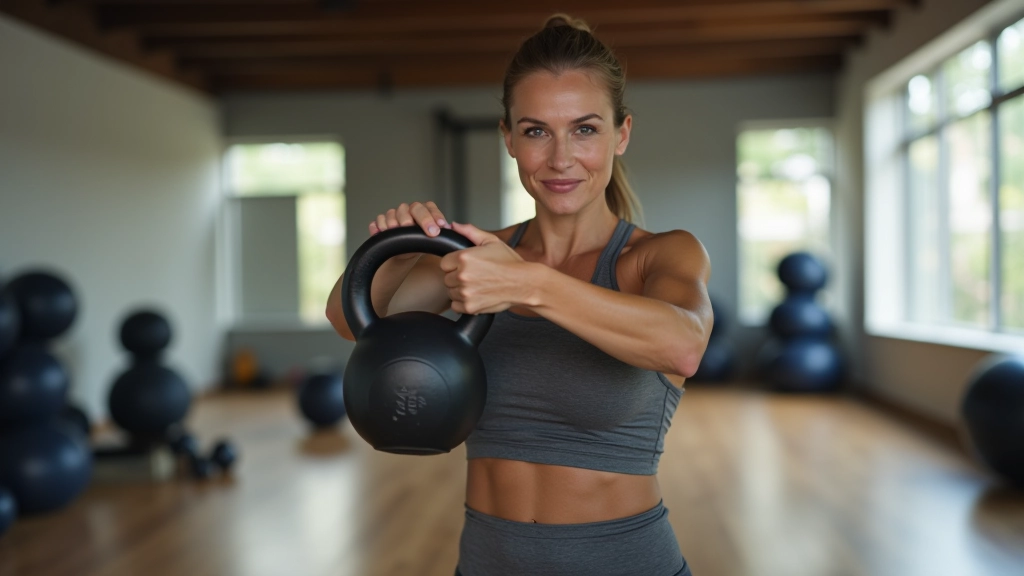
Why Kettlebells Are Perfect for Starting Strength Training
You don't need to be intimidated by kettlebells. They're actually friendlier on your joints than dumbbells, and they'll build real functional strength — the kind that helps you move better in everyday life. Whether you're recovering from an injury, coming back after years away from the gym, or just looking to add something new to your routine, kettlebells deliver results without the wear and tear.
The beauty of kettlebell training is that it's scalable. Start with a light bell — maybe 8 or 12 pounds if you're brand new — and focus entirely on getting the movement right. There's no ego involved. You're building a foundation that'll support heavier weights later on.
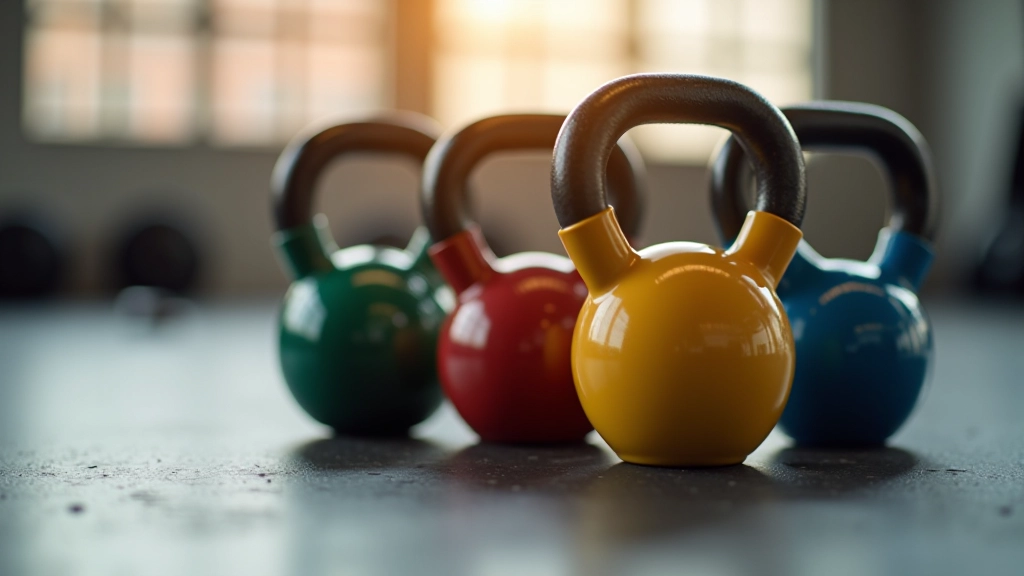

Movement One: The Kettlebell Swing
This is the king of kettlebell exercises. It's where most people start, and it's what you'll come back to again and again. The swing isn't a squat — it's a hip hinge movement. Your knees barely bend. Instead, you're driving power from your hips and glutes.
Here's the setup: Stand with your feet shoulder-width apart. Let the kettlebell hang between your legs. Now hinge at your hips — really stick your backside out — and then explosively drive your hips forward. That momentum swings the bell up to chest height. The key is that your hips do the work, not your arms. Your arms are just along for the ride.
Pro tip:
Start with 10-15 swings per set. Rest 60 seconds. Do this 3
times. You'll feel your heart rate spike — that's the point.
Kettlebell swings are cardio and strength combined.
Movement Two: The Goblet Squat
If you want to build leg strength and actually feel your quads working, this is it. Hold the kettlebell vertically by the horns — the two handles at the top — close to your chest. Now squat down. Your elbows should brush your knees. Go as deep as you can while keeping your chest up and your weight in your heels.
The goblet squat teaches good squat mechanics. Because you're holding weight at chest level, your body naturally stays upright. There's less temptation to lean forward. That's why it's so good for beginners. You're learning the right movement pattern while building real strength.
Do 12-15 reps per set. Rest 45 seconds. Repeat 3-4 times. You'll feel your legs burning — that's the muscles getting stronger. If you're worried about your knees, don't be. This movement is actually protective when you do it right.
Three More Movements That Build Complete Strength
Beyond the swing and goblet squat, these three movements round out a solid foundation. You don't need to do all of them in every session — pick two or three per workout and rotate them.
Turkish Get-Up
This is a full-body movement that looks complicated but makes sense once you break it down. You start lying on your back holding a kettlebell overhead. Then you stand up while keeping the bell locked out above your head. It takes 8-10 steps. You're building shoulder stability, core strength, and mobility all at once. Start with just bodyweight practice, then add a light bell. Do 3-5 reps per side.
One-Arm Rows
Place one knee on a bench. Grab the kettlebell with the opposite arm. Row it up to your hip, squeezing your back muscle. This builds upper back and core stability. It's especially good if you spend time at a desk — it counteracts that forward slouch. Do 10-12 reps per side. Rest 45 seconds between sides.
Kettlebell Press
Hold the kettlebell at shoulder height. Press it straight overhead. Lower it with control. Your core stays tight throughout. This builds shoulder strength and stability. Start with 8-10 reps per arm. Don't rush the weight progression — a good press with 15 pounds beats a sloppy press with 20.
How to Progress Without Getting Injured
The biggest mistake people make is jumping up in weight too fast. You feel strong on day one, so you grab something heavier on day three. Then your shoulder complains or your lower back tightens. That's your body telling you the weight was too much.
Here's a smarter approach: Spend at least 2-3 weeks getting really comfortable with your current weight. Master the movement. Then add 5-10 pounds. That's it. Small jumps add up fast. After 8-12 weeks, you'll be using bells that would've seemed heavy on week one.
01
Weeks 1-2: Light weight, perfect form. Do 2-3 sessions per week. Focus only on technique.
02
Weeks 3-4: Same weight, increase reps slightly. You're building work capacity.
03
Weeks 5+: Increase weight by 5-10 pounds. Restart the rep count. Repeat the cycle.

Ready to Start Your Kettlebell Journey?
You've got the movements. You know how to progress safely. Now it's time to grab a kettlebell and get to work. Start with something light — seriously, lighter than you think you need. Nail the technique first. The strength will follow.
Explore More Functional Fitness ResourcesRelated Articles


Important Note
This article is for educational purposes and provides general information about kettlebell training. It's not personal training advice. Before starting any new exercise program, especially if you have existing injuries, joint issues, or health conditions, consult with a healthcare provider or certified fitness professional. Everyone's body is different. What works for one person might need adjustment for another. Listen to your body, start light, and progress gradually. Proper form matters more than weight or speed.