Building Movement Patterns That Actually Transfer
Functional training means movements that help real life. Learn which exercises translate to better performance in daily activities.
What Does "Functional" Actually Mean?
You've heard the word thrown around at the gym. Functional this, functional that. But here's the thing — real functional training isn't about complicated movements or fancy equipment. It's about teaching your body to move in ways that matter outside the gym.
Think about what you do every day. You pick things up from the floor. You reach overhead for the top shelf. You sit down, stand up, walk up stairs, carry groceries. These aren't isolated bicep curls or leg press machines. They're integrated movements that require your whole body working together. That's what functional training addresses.
The Core Principle
Movements that transfer are ones where your nervous system learns a pattern it can use in real life. You're not just building muscle — you're building capability.
The Movement Patterns That Matter Most
There are six fundamental movement patterns. You don't need to memorize them, but understanding them helps you see why certain exercises show up in good training programs.
1
Push
Pressing things away from you. Overhead press, push-ups, chest press.
2
Pull
Drawing things toward you. Rows, pull-ups, lat pulldowns.
3
Hinge
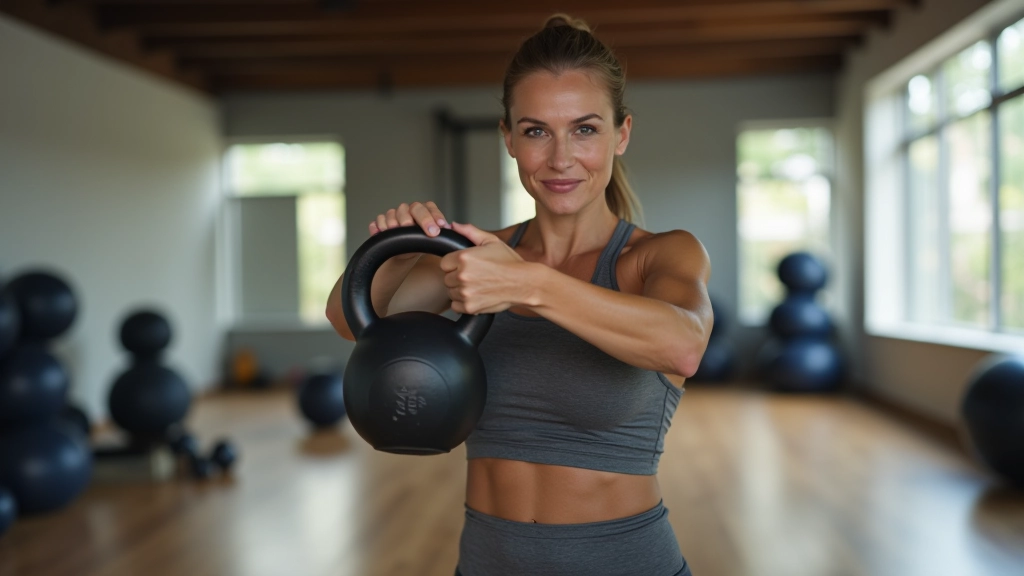
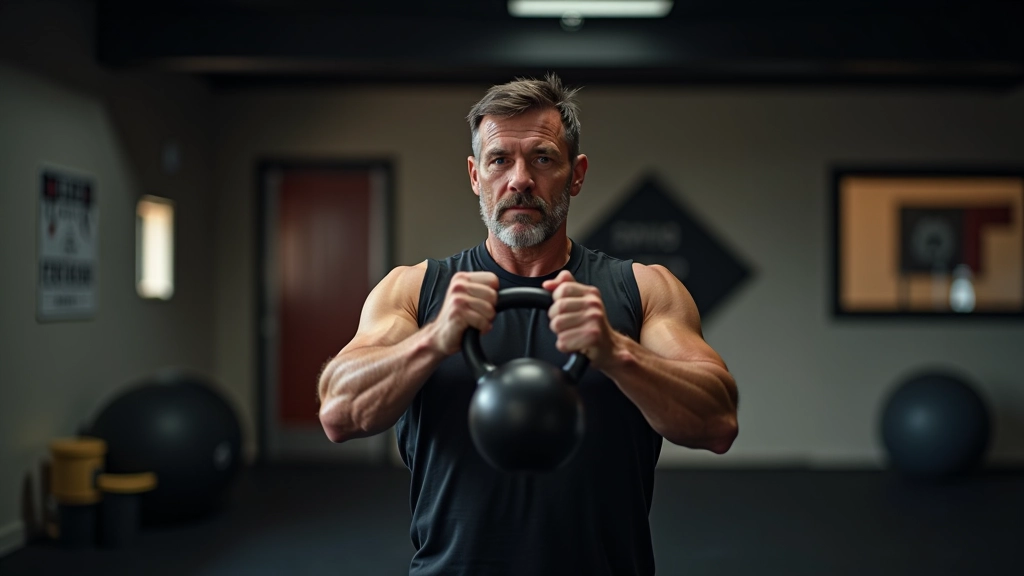
Bending at the hips. Deadlifts, kettlebell swings, good mornings.
4
Squat
Bending at the knees and hips. Front squats, goblet squats, wall sits.
5
Carry
Holding and moving with weight. Farmer carries, suitcase carries, waiter walks.
6
Rotate
Twisting your trunk. Pallof presses, wood chops, landmine rotations.

How Transfer Actually Happens
Here's where it gets interesting. Your nervous system doesn't just know "deadlift." It learns the pattern of hip extension under load. That pattern transfers to picking up your grandkid, moving furniture, or any time you need to stand something up from a bent position.
The key is specificity. A movement transfers best when it matches the real-life situation as closely as possible. That's why we don't spend much time on machines. They lock you into one plane of motion. Real life is messy. You move in multiple directions at once. You stabilize while moving. You adapt on the fly.
Training at 40, 50, or 60 means you're thinking about durability. You want to be strong in ways that keep you independent. That's transfer. Building a deadlift transfers to not throwing out your back. Building a proper squat transfers to standing up from a chair without hand support. That matters.
Three Ways to Train for Better Transfer
1. Master the Basics First
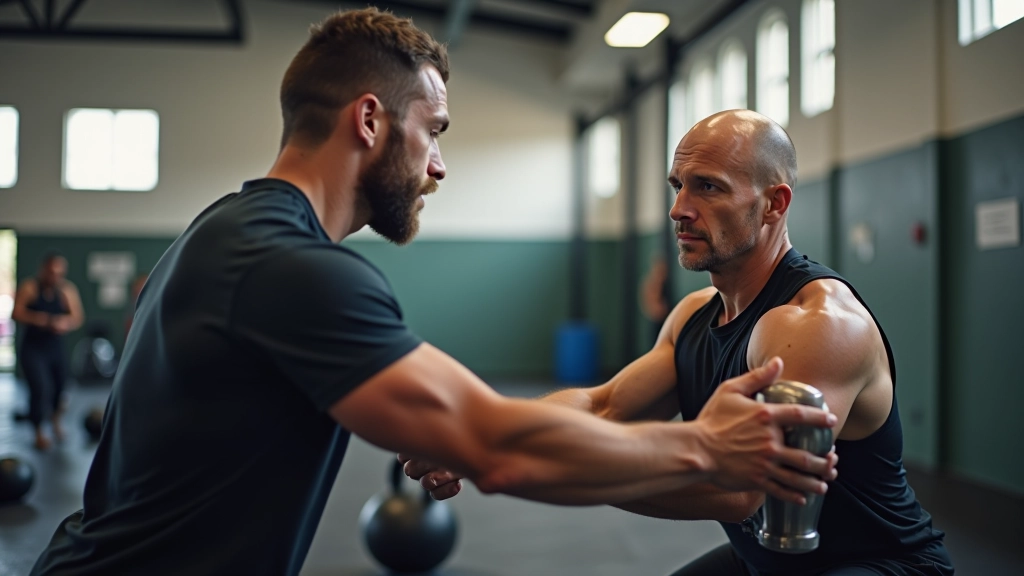
You can't transfer what you haven't learned. Spend time getting the fundamental patterns right. A proper squat. A solid hinge. A stable push. These take weeks to groove in. Most people rush here. Don't. The first 4-6 weeks of training should be about movement quality, not adding weight or intensity.
2. Use Compound Movements
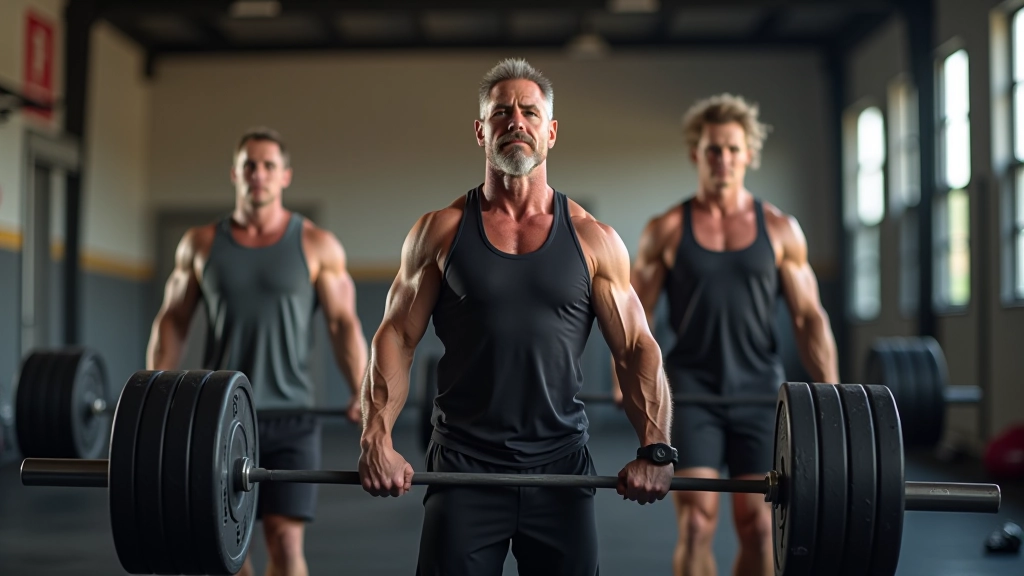
Compound movements use multiple joints and muscle groups at once. That's how your body actually works. Squats, deadlifts, rows, presses. These teach your nervous system to coordinate. Isolation exercises have their place, but they shouldn't be your foundation. A well-designed program is probably 70% compound, 30% accessory work.
3. Add Variation Strategically
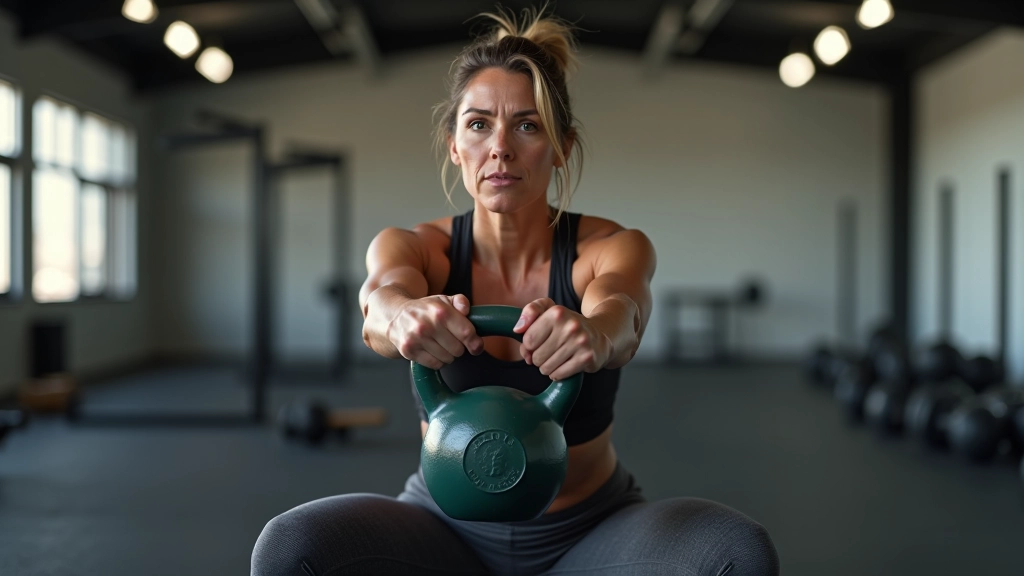
Once you've got the basics down, variation keeps things fresh and builds robustness. Different tempos. Different ranges of motion. Different loads. A goblet squat transfers to a front squat which transfers to a barbell back squat. Each variation challenges your nervous system slightly differently, building deeper movement competence.
Real Transfer in Real Life
Let's be specific. You've been doing kettlebell training for 8 weeks. You're comfortable with swings, goblet squats, and Turkish get-ups. Then your neighbor asks for help moving a couch. Three years ago, you'd have been nervous. Your back would've tightened up. You'd have felt weak.
Now? You hinge properly, drive through your legs, keep your back straight. The couch moves. You feel strong. You're not sore the next day. That's transfer. That's the whole point.
Or you're chasing your grandkid around the yard. You need to squat down quickly, grab them, come back up. Your hips are mobile. Your legs are strong. You're stable. You don't think about it — you just do it. Your training prepared you for that moment without you even realizing it.
"The best test of whether your training transfers is whether you can do real things better. Not whether you can lift more weight. Real things."

Building Patterns That Last
Training for transfer isn't complicated. It's just intentional. You're not training to look a certain way or to impress anyone with how much you can lift. You're training to be capable. To move well. To feel strong in your actual life.
The movements that transfer are the ones you'll keep doing. They're useful. They're satisfying. You see the results in how you feel and what you can do, not just in numbers on a scale or bar. And at 40, 50, or 60, that's the kind of training that sticks around.
Ready to Train Functionally?
Find a beginner functional movement workshop or scaled CrossFit class in your area. Most programs for 40+ athletes focus exactly on this — movements that work in real life. Start with the fundamentals and give yourself 4-6 weeks to groove them in.
Browse More ProgramsImportant Note
This article is for educational purposes and provides general information about functional movement patterns and training. It's not personalized medical or fitness advice. Before starting any new exercise program, especially if you have existing injuries or health conditions, consult with a qualified fitness professional or healthcare provider. Movement patterns vary from person to person, and what works for one individual may not be appropriate for another. A certified coach can assess your specific needs and movement quality to create a program that's right for you.
Related Articles